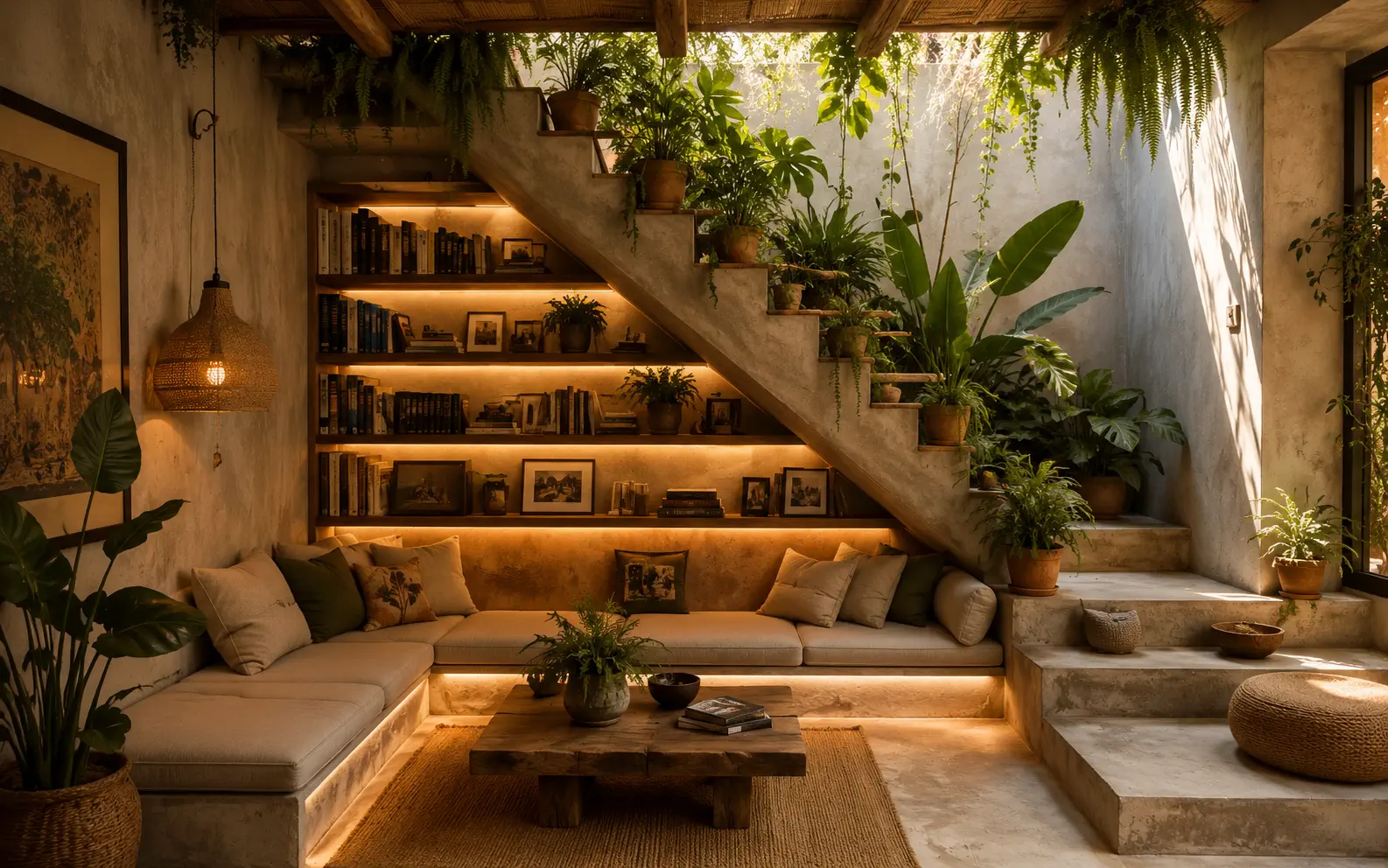
Understanding the main types of interior design styles is the fastest way to describe the look you want, shop with confidence, and create a home that feels intentional rather than accidental. Design styles are essentially visual languages — each with its own palette, materials, furniture shapes and mood. Once you can recognise them, decorating stops being guesswork. Below are the 7 types of interior design styles that dominate homes today, what defines each, and how to tell which one is truly yours — plus a few popular hybrids worth knowing.
If you would rather discover your style interactively, take our quick interior design style quiz. And to understand why these styles work — the building blocks beneath them — read our guide to the key elements of interior design.
What are interior design styles?
An interior design style is a recognisable, repeatable combination of choices: a colour palette, a set of materials and textures, particular furniture silhouettes, and a mood those things create together. None of it is arbitrary. Styles emerged from real conditions — the light and long winters of the Nordic countries, the converted factories of industrial cities, the working farmhouses of the countryside, the optimism of the post-war 1950s — which is why each one has an internal logic rather than a checklist of props.
That matters practically. A style is not a shopping list you buy your way into; it is a set of decisions that agree with each other. Two rooms can contain almost the same furniture and read completely differently depending on palette, texture and how much empty space is left. Understanding the logic behind a style is what lets you adapt it to your home, your budget and your climate instead of copying a showroom photo and wondering why it feels off.
Styles also overlap. Modern, minimalist and Scandinavian share a family resemblance; farmhouse, rustic and French country all draw on rural life. Most real homes end up leading with one style and borrowing from a neighbour — which is normal, and covered later in this guide.
Whether you call them interior design styles or interior design decorating styles, the vocabulary is the same, and it is genuinely useful: it turns a vague feeling ("I want it cosy but not cluttered") into decisions you can act on. If you would like a printable reference to keep beside you while you decide, download the free interior design styles guide and compare the styles side by side.
The 7 main types of interior design styles
Here are the seven core styles at a glance, before we explore each in depth:
- Modern — clean lines, uncluttered, function-first.
- Contemporary — of-the-moment, fluid, always evolving.
- Minimalist — pared back to the essentials, calm and spare.
- Scandinavian — light, cosy, functional simplicity (hygge).
- Industrial — raw materials, exposed structure, urban edge.
- Mid-century modern — organic curves and retro warmth from the 1950s–60s.
- Traditional — classic, symmetrical, rich and timeless.
Now let's look at what makes each one distinct.
1. Modern
Modern design has a specific historical meaning — it refers to the early-to-mid 20th-century movement defined by clean lines, function over ornament, and a restrained palette. Think smooth surfaces, neutral colours with the occasional bold accent, and furniture with simple, unfussy silhouettes. Clutter is the enemy; every piece earns its place. Natural light and open space are prized.
Key features: clean straight lines, neutral palette, minimal ornamentation, functional furniture, uncluttered surfaces.
Best for: people who love order, simplicity and a calm, purposeful space.
2. Contemporary
Contemporary is often confused with modern, but there is a crucial difference: contemporary means "of the now" and constantly evolves, whereas modern refers to a fixed historical style. Contemporary interiors borrow freely from current trends — soft curved furniture, sculptural lighting, a mix of textures, and palettes that shift with the times. It feels current, elegant and a little fluid.
Key features: current trends, curved and sculptural forms, neutral base with of-the-moment accents, mixed textures, an ever-changing character.
Best for: those who like to keep their home feeling fresh and up to date.
3. Minimalist
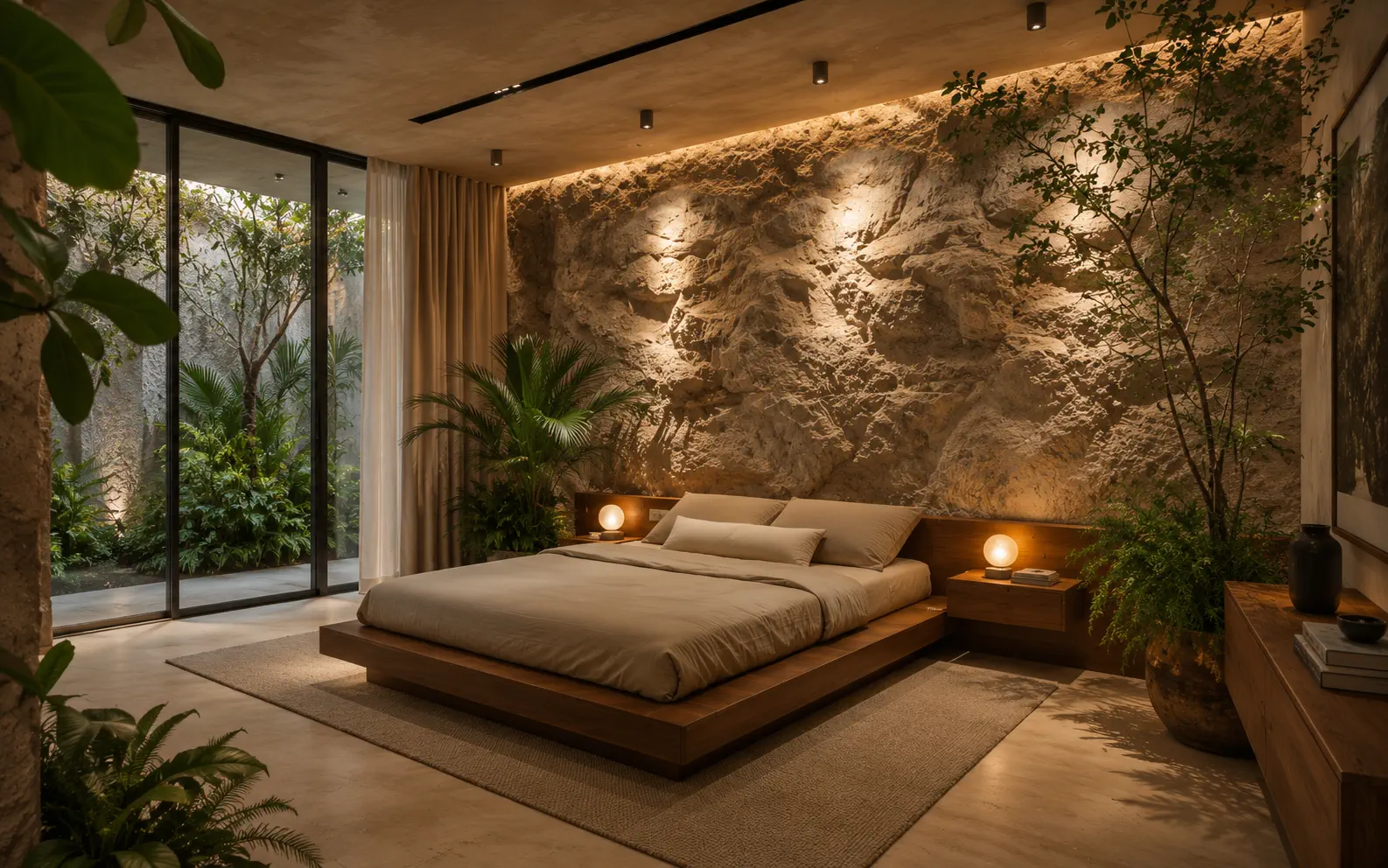
Minimalism takes modern design's restraint to its logical conclusion: less, but better. Rooted in the "less is more" philosophy, it strips a space back to only what is essential and beautiful. Palettes are quiet (whites, greys, muted naturals), lines are clean, storage is hidden, and negative space is treated as a design element in its own right. The result is serene, uncluttered and intentional.
Key features: essential furniture only, monochrome or muted palette, hidden storage, abundant negative space, calm atmosphere.
Best for: people who find peace in simplicity and dislike clutter.
4. Scandinavian
Born in the Nordic countries, Scandinavian design pairs minimalism with warmth and cosiness — the famous concept of hygge. It uses light woods, soft textiles, white and pale walls to maximise scarce winter light, and gentle pops of colour. It feels simple and functional but never cold, thanks to natural materials and layered textures.
Key features: light woods, white and pale palette, cosy textiles, functional simplicity, plenty of natural light.
Best for: those who want minimalism that still feels warm and welcoming.
5. Industrial
Industrial style celebrates the raw and unfinished, drawing inspiration from converted warehouses and factories. Exposed brick, concrete, ductwork and structural steel are features, not flaws. Palettes lean into greys, browns and black, softened by leather, aged wood and Edison-bulb lighting. The look is urban, edgy and honest about how a building is made.
Key features: exposed brick and concrete, visible structural elements, metal and reclaimed wood, neutral and dark palette, open-plan feel.
Best for: lovers of urban lofts and an unpolished, characterful aesthetic.
6. Mid-century modern
One of the most enduringly popular styles, mid-century modern comes from the 1950s and 60s. It blends clean modern lines with organic curves, tapered legs, warm woods (especially teak and walnut), and confident retro colours. It manages to feel both nostalgic and timeless, which is why it never really goes out of fashion.
Key features: organic and geometric shapes, tapered legs, warm woods, retro colour accents, a functional yet stylish sensibility.
Best for: those who love a retro-but-timeless look with warmth and character.
7. Traditional
Traditional design draws on classic European décor and centuries of refined convention. It is characterised by symmetry, rich colours, elegant and often ornate furniture, layered textiles and detailed finishes like crown moulding. It feels established, comfortable and timeless — a style that signals permanence rather than trend.
Key features: symmetry and order, rich warm palette, classic and ornate furniture, layered textiles, detailed architectural trim.
Best for: people who love classic elegance, formality and a sense of history.
Popular hybrid and additional styles
Beyond the core seven, several styles are hugely popular and worth recognising — many are blends of the fundamentals above:
- Transitional — the best-selling middle ground between traditional and contemporary: classic comfort with clean, updated lines and a neutral palette.
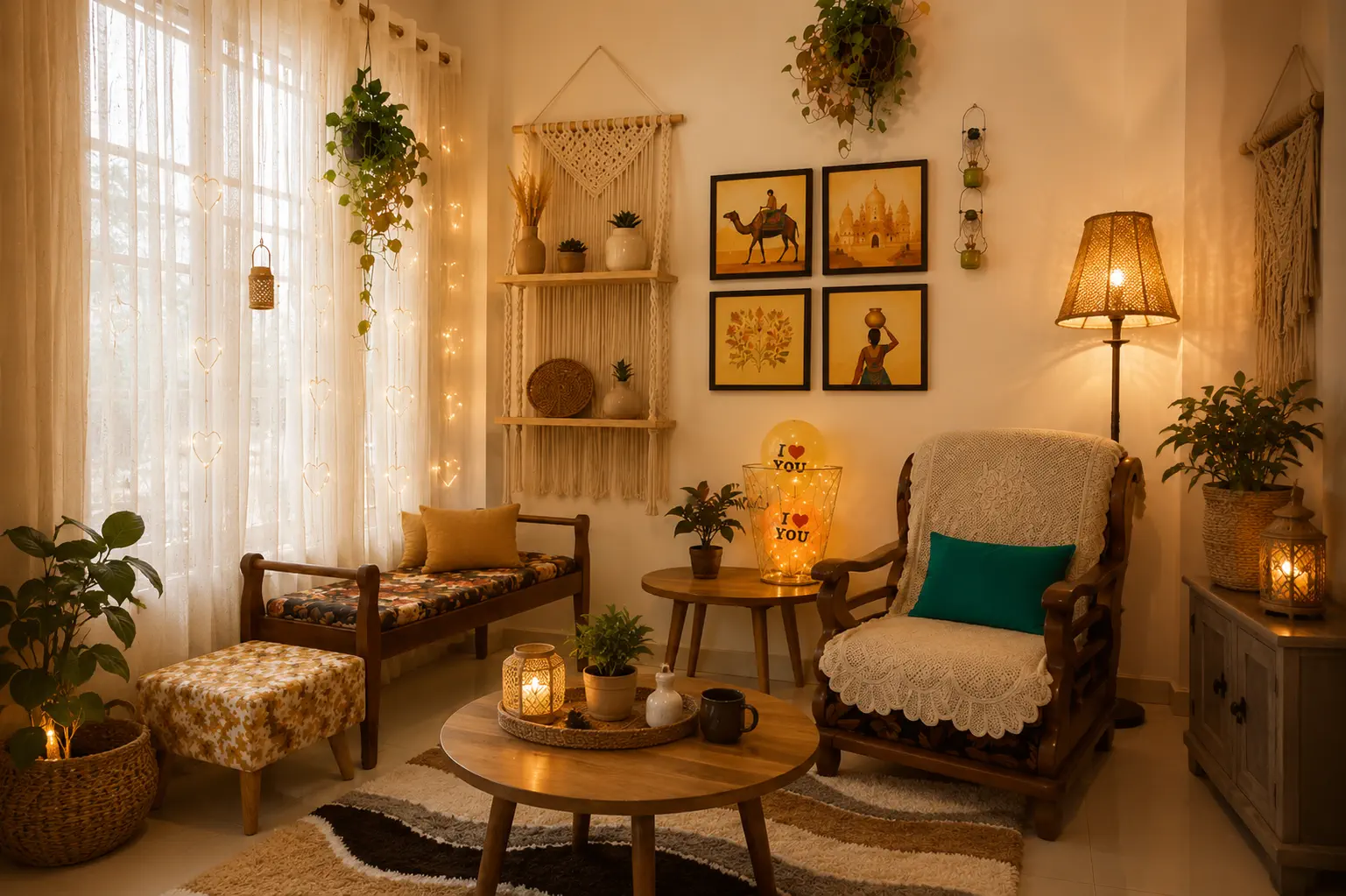
- Bohemian (boho) — free-spirited and eclectic, layering global textiles, plants, vintage finds and rich colour with a "more is more" attitude.
- Farmhouse / modern farmhouse — cosy, rustic warmth (shiplap, natural woods, vintage touches), updated with clean modern lines in the "modern" version.
- Coastal / Hamptons — light, airy and relaxed, with whites, blues, natural textures and a beach- house calm.
- Japandi — a rising favourite blending Japanese minimalism with Scandinavian warmth: natural materials, muted tones, craftsmanship and serene simplicity.
- French country — rural French elegance: soft faded colour, curved carved furniture, toile and linen, and a refined kind of rusticity.
- Victorian — richly decorative and unapologetically ornate, with deep jewel colours, patterned wallpaper, carved dark wood and layered textiles.
- Rustic — raw, earthy and handmade, leaning harder into rough timber, stone and imperfection than farmhouse does.
- Art deco — glamorous and geometric, with bold symmetry, rich colour, brass, lacquer and mirrored surfaces.
- Mediterranean and Spanish — sun-warmed plaster, terracotta, arches, wrought iron and earthy colour.
These hybrids exist because real homes rarely fit one label perfectly — and that is completely fine.
Several of these have their own in-depth guides if you want to go further: farmhouse style interior design, French country interior design, Victorian style interior design, and — because it sits at the centre of so much current work — contemporary interior design style.
How to identify your interior design style
With so many options, how do you find your style? A few practical steps:
- Collect images you love. Save rooms that appeal to you on Pinterest or in a folder, then look for patterns — recurring colours, materials and moods reveal your natural leanings.
- Notice what you are drawn to in the list above. Which descriptions made you nod? Your instinct is data.
- Consider how you live. A busy family needs durability; a minimalist personality resents clutter; a lover of colour will feel starved by a stark palette. Style must fit life, not just taste.
- Take a style quiz. Our interior design style quiz turns a few quick questions into a clear starting direction.
Most people find they are drawn to a primary style with influences from one or two others — which is exactly how good, personal interiors are built.
Can you mix interior design styles?
Yes — and the most interesting homes usually do. The key is to mix intentionally rather than randomly:
- Anchor with one dominant style (roughly 70–80% of the room) and let others accent it.
- Find a unifying thread — a consistent palette, material or era ties disparate pieces together.
- Balance contrast — pair sleek with rustic, or ornate with simple, so each makes the other stand out.
Understanding the individual styles first is what makes confident mixing possible. This is where the underlying elements and principles of design — balance, harmony, contrast — do the heavy lifting.
How styles behave differently room by room
A style rarely lands identically in every room, because each room has different demands. Kitchens and bathrooms are dominated by fixed surfaces — cabinetry, tile, worktops, taps — so the style is decided largely at renovation time and is expensive to change later. That argues for choosing something you will still like in a decade, which is why transitional and simple modern schemes are so common in wet rooms.
Living rooms are the most flexible, because most of the style lives in movable furniture, textiles and lighting. This is the room to be most expressive, and the easiest place to shift direction later. Bedrooms reward calm: even people who love bold, maximalist styles often dial down the pattern and contrast here. Hallways and entries set the first impression and can carry a stronger, more concentrated version of your style, since nobody lingers long enough to tire of it.
The practical rule is to keep the palette and materials consistent from room to room, while letting the intensity vary. Consistency is what makes a whole home read as one deliberate scheme rather than a tour of unrelated moods.
Choosing a style you can actually live with
Some styles are considerably more demanding than others, and it is worth being honest about that before committing. Minimalism looks serene in photographs but requires continuous tidiness and generous hidden storage — it punishes clutter mercilessly. Industrial hard surfaces are durable but can be cold and echoey without enough textiles. Traditional and Victorian schemes involve a lot of pattern, layered textiles and detailed surfaces, which means more dusting and a bigger upfront cost for the right furniture. Farmhouse, Scandinavian and transitional styles tend to be the most forgiving for busy households, because worn timber, washable slipcovers and simple neutrals absorb real life gracefully.
Budget shapes the choice too. Styles built on simplicity — Scandinavian, modern, minimalist — can be achieved affordably, because the effect comes from restraint, light and a few good pieces. Styles built on ornament and quality materials — Victorian, art deco, high traditional, luxury French country — get expensive quickly, since carved furniture, natural stone and good wallpaper carry real cost. Pick a style that matches both your temperament and your realistic spend, and you will be far happier with the result than if you chase an aesthetic that fights how you actually live.
Why knowing your style matters
Identifying your interior design style is not academic — it makes every decision downstream easier. You shop faster and with fewer mistakes, you communicate clearly with a designer or contractor, and you end up with a home that feels cohesive and personal rather than a collection of unrelated purchases. For designers, fluency in these styles is essential to interpreting a client's taste and delivering it.
If styling spaces is something you want to do professionally, capturing that work well is the next step — see how to make an interior design portfolio and, when you are ready, build your portfolio free to show the styles you do best.
It also saves money, because the most expensive furniture is the piece you buy twice. And for a working designer, being visibly strong in a particular style is one of the most effective ways to position a practice: clients seek out the designer whose existing work already looks like the home they want, which is why a focused portfolio and a professional designer website do so much of the selling for you.
Whether you land on crisp modern, cosy Scandinavian, characterful industrial or timeless traditional, knowing the types of interior design styles gives you the vocabulary to create a home that is unmistakably yours.
Frequently asked questions
What are the 7 main types of interior design styles?
The seven core interior design styles are modern (clean lines, function-first), contemporary (of-the-moment and evolving), minimalist (pared back to essentials), Scandinavian (light, cosy, functional), industrial (raw materials and exposed structure), mid-century modern (retro curves and warm woods), and traditional (classic, symmetrical and rich). Beyond these sit popular hybrid and regional styles including transitional, farmhouse, French country, Victorian, bohemian, coastal, Japandi, rustic, art deco and Mediterranean.
Which interior design style is easiest to live with?
Farmhouse, Scandinavian and transitional styles tend to be the most forgiving for busy households, because worn timber, washable slipcovers and simple neutrals absorb everyday life gracefully. Minimalism is the most demanding, since it requires constant tidiness and generous hidden storage, while traditional and Victorian schemes involve more pattern, layered textiles and upkeep.
What is the difference between modern and contemporary design?
Modern refers to a specific historical style from the early-to-mid 20th century, with fixed characteristics: clean lines, function over ornament and a restrained palette. Contemporary means "of the now" and constantly evolves with current trends, favouring curved forms, sculptural lighting and shifting palettes. In short, modern is a defined era; contemporary is whatever is current.
How do I identify my interior design style?
Collect images of rooms you love and look for recurring colours, materials and moods; notice which style descriptions you are naturally drawn to; and consider how you actually live, since style must fit function. A style quiz can turn these instincts into a clear starting direction. Most people have a primary style with influences from one or two others.
Can you mix different interior design styles?
Yes, and the most interesting homes usually do. Mix intentionally: anchor the room with one dominant style (about 70–80%), find a unifying thread such as a consistent palette or material, and balance contrast so opposing pieces enhance each other. Understanding each style individually is what makes confident, cohesive mixing possible.