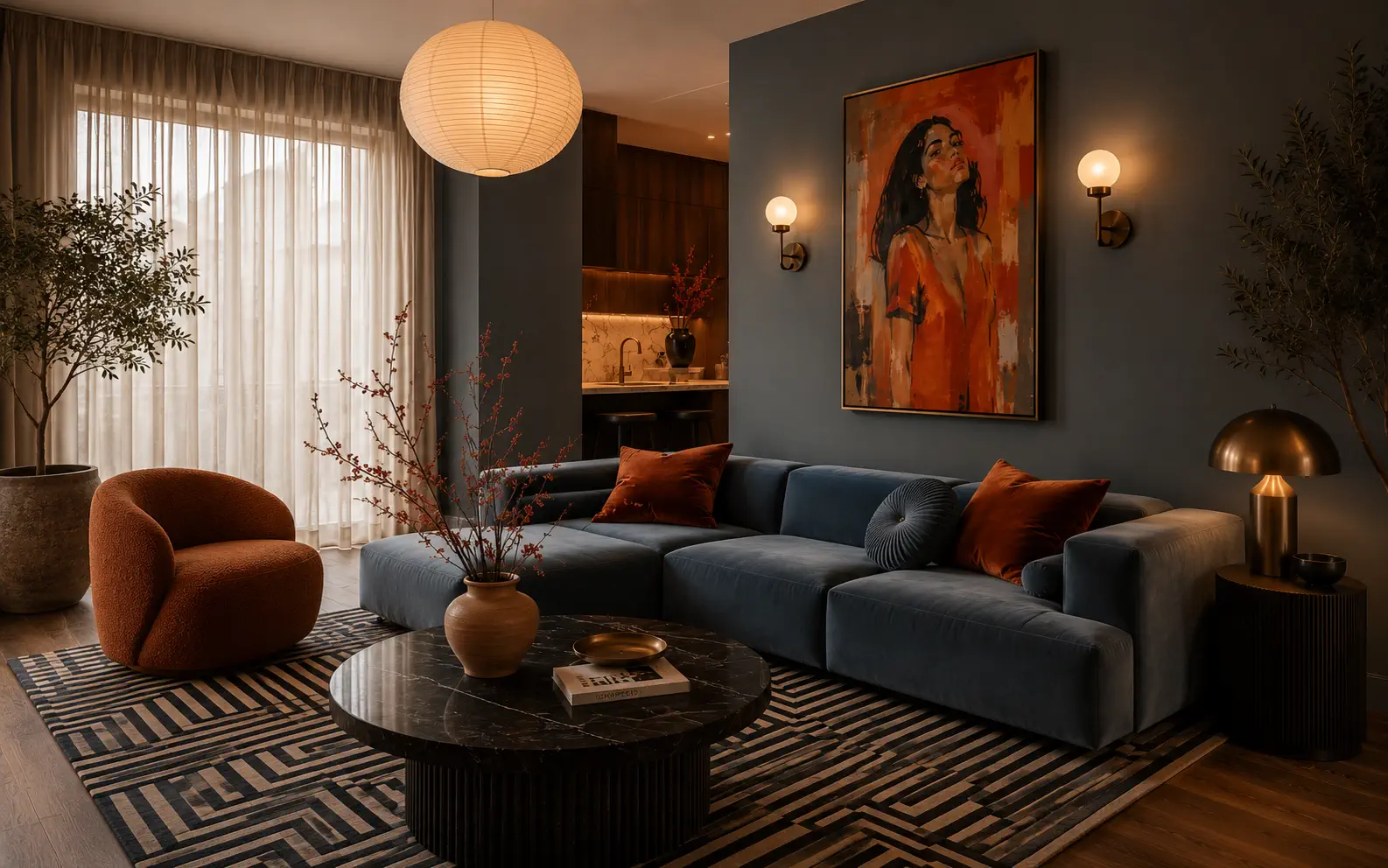
Naming a style is the fastest way to make a room — or a whole portfolio — look intentional. This free
interior design styles guide is a printable PDF reference to the twelve most popular interior design
styles, with each one broken down into its defining features, typical colour palette, signature materials
and the key furniture and details that make a space unmistakably that style. It also includes a
find-your-style checklist so you (or your clients) can settle on a clear direction in minutes.
Whether you are a designer sharpening your vocabulary or a client trying to describe what you love, this
guide gives you the shared language that makes design decisions faster and clearer. It pairs perfectly
with the deep-dive article on the types of interior design styles
and the fundamentals covered in the elements of interior design.
What's inside the styles guide
The guide is designed to be skimmed, saved and referred back to. For each of the twelve styles you get a
clean, one-look summary:
- Defining features — what actually makes a room read as this style.
- Typical palette — the colours that carry the look.
- Materials & textures — the surfaces and fabrics that set the tone.
- Key furniture & details — the pieces and finishing touches that seal it.
The twelve styles covered: Modern, Contemporary, Scandinavian, Minimalist, Industrial, Mid-Century
Modern, Traditional, Farmhouse, Bohemian, Coastal, Japandi and Transitional.
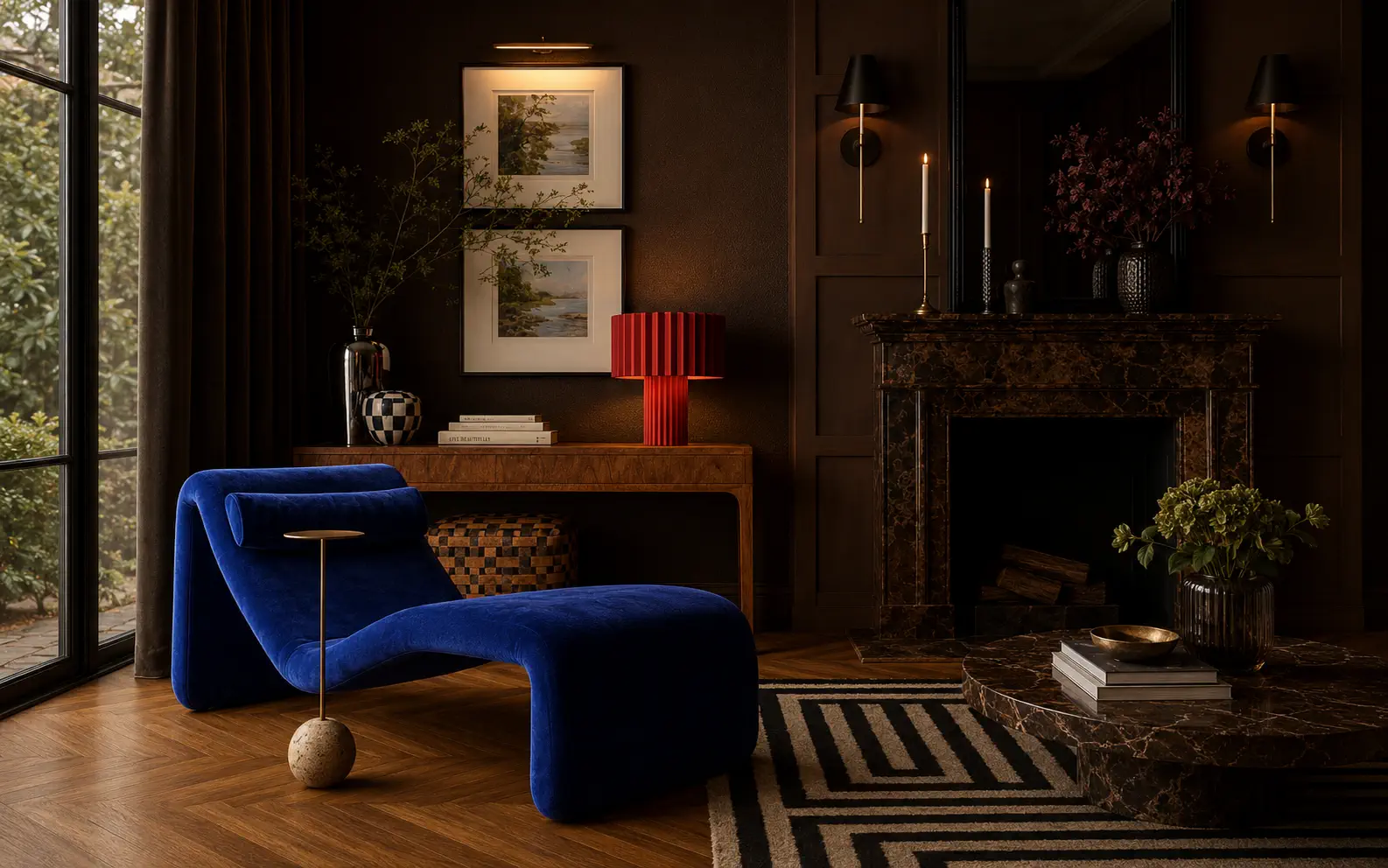
Why knowing your interior design style matters
A defined style is not about following rules — it is about making confident, consistent decisions. When
you know your primary direction, every choice (a sofa, a paint colour, a light fitting) becomes easier
because you have a reference to check it against. Rooms that lead with one clear style, then borrow a few
details from a second, look deliberate; rooms with no anchor style tend to look accidental, however nice
the individual pieces are.
For designers, fluency in styles is a professional skill. Being able to say "this is warm minimalism with
Japandi influences" — and back it up with the right materials and palette — signals expertise and helps
clients trust your direction. For clients, naming a style turns a vague feeling into a brief a designer
can actually act on.
How to use it — with clients and for your portfolio
There are two high-value ways to put this guide to work. With clients, share it early: ask them to
flag the three styles that resonate most, and you instantly have a grounded starting point for the brief
instead of guessing. For your own portfolio, use it to name the style of each project clearly and to
keep your presentation consistent — consistency in style and photography is exactly what makes a
portfolio look intentional and professional.
Once you have identified the styles you work in best, the natural next step is to show them off. Download
the guide below, then build a live portfolio that presents your projects — clearly labelled and
beautifully consistent — where clients can find you.