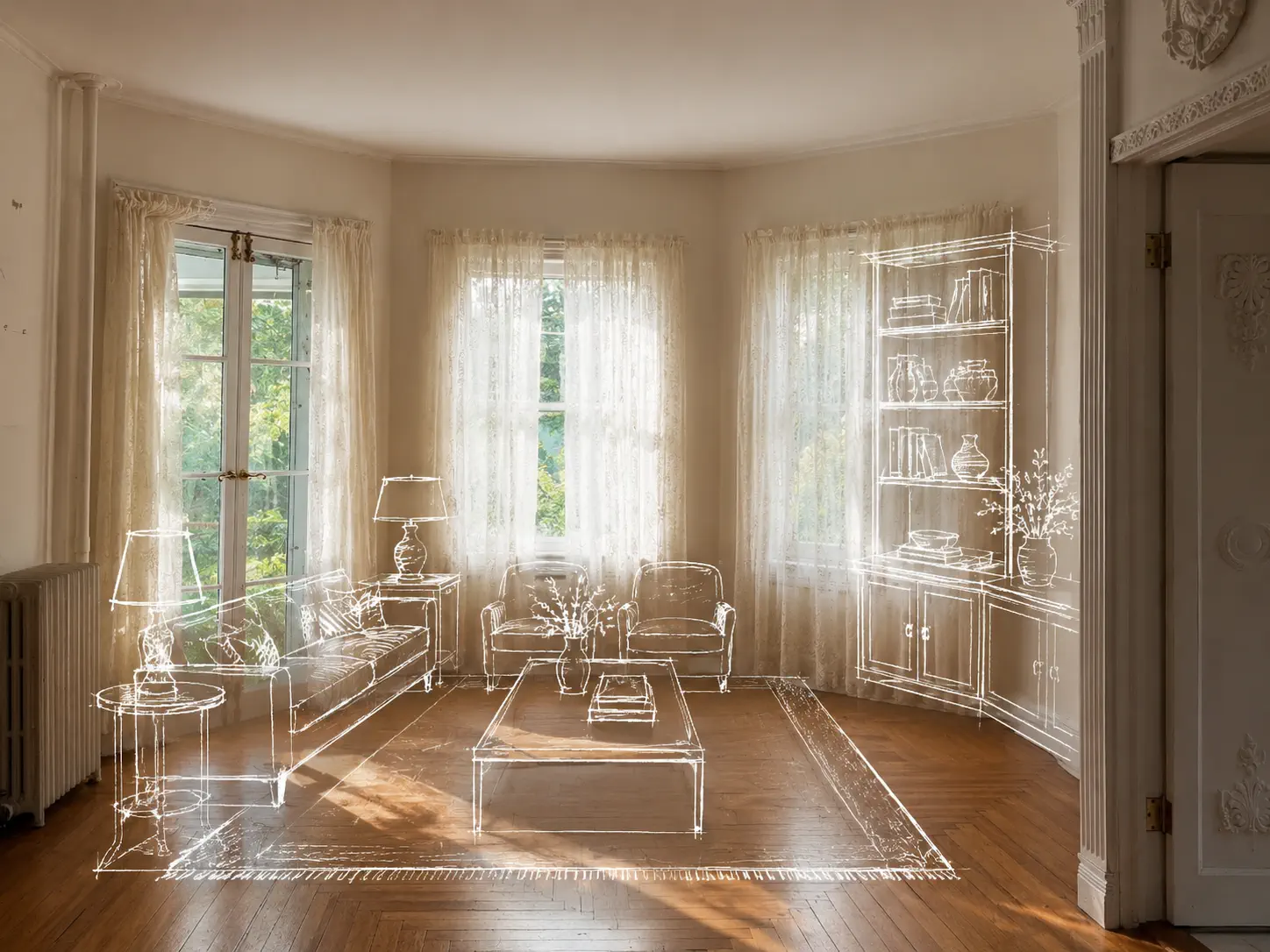
Stop chasing details after the kick-off call. This free interior design client questionnaire
template gives you a structured way to capture everything that matters — scope, budget, style
preferences, timeline and the practical realities of how a client lives — in one document, before the
project starts. Send it ahead of your first meeting and you arrive prepared, look professional, and
avoid the slow back-and-forth that delays every brief.
A good questionnaire does more than gather facts. It sets the tone for a professional relationship,
surfaces budget and decision-making realities early, and gives you the raw material to write a
sharper proposal and a tighter
contract. Below is what is inside, why it works, and
how to fold it into your onboarding.
What's inside the questionnaire
The template is organised into clear sections so a client can complete it in ten to fifteen minutes,
and so you can scan the answers at a glance:
- Contact and household — who you are working with, who else makes decisions, and how they prefer
to communicate.
- Project scope — which rooms, the type of work (full design, refresh, renovation, styling, FF&E),
and what "done" looks like to them.
- Budget — a realistic investment range and what it is expected to cover.
- Style and preferences — the looks they are drawn to, colours and materials they love and hate,
and inspiration links.
- Timeline and logistics — move-in dates, events to design around, and any hard deadlines.
- Lifestyle and practical needs — pets, children, how they use each space, storage pain points and
accessibility requirements.

Why every interior designer needs a client questionnaire
The questionnaire is the cheapest insurance you can buy against scope creep and mismatched
expectations. When you capture scope, budget and style in writing up front, three things happen.
First, you qualify the project — a client who will not name a budget range or who wants a full
renovation on a styling budget is revealed before you have invested unpaid hours. Second, you
anchor expectations — the answers become a shared reference you can point back to when a brief
drifts mid-project. Third, you win trust — arriving at a consultation already knowing the
household, the rooms and the references signals that you run a real business, not a hobby.
It also makes you faster. Instead of interrogating a nervous client across a two-hour meeting, you let
them reflect in their own time, then spend the meeting interpreting and advising — the high-value work
clients actually remember.
The questions that matter most
Not every question carries equal weight. These are the ones that change how you scope and price a
project, and which the template deliberately puts first.
Scope and rooms
Ask exactly which spaces are included and what level of service each needs. "The living room and
kitchen" can mean styling shelves or relocating walls — pin it down. Capture square footage and
whether any trades (builders, electricians) are already involved.
Budget — asked the right way
Most clients hesitate to name a number. Offer ranges rather than a blank field, and clarify what the
budget must cover (your fee, furnishings, construction, or all three). A client who selects a furniture
budget that cannot buy a single sofa is telling you something useful, kindly and early. If you need a
sustainable fee for the work involved, sanity-check it with our free
rate calculator.
Style and inspiration
Ask for three to five inspiration images or links, plus a short list of things they dislike — the
"hates" are often more revealing than the "loves". If a client cannot describe their taste, point them
to the interior design style quiz and have them share the result.
Lifestyle and constraints
How a space is lived in dictates the design: young children, pets, people working from home, frequent
entertaining, or accessibility needs all change the brief. These answers prevent beautiful designs
that fail in real life.
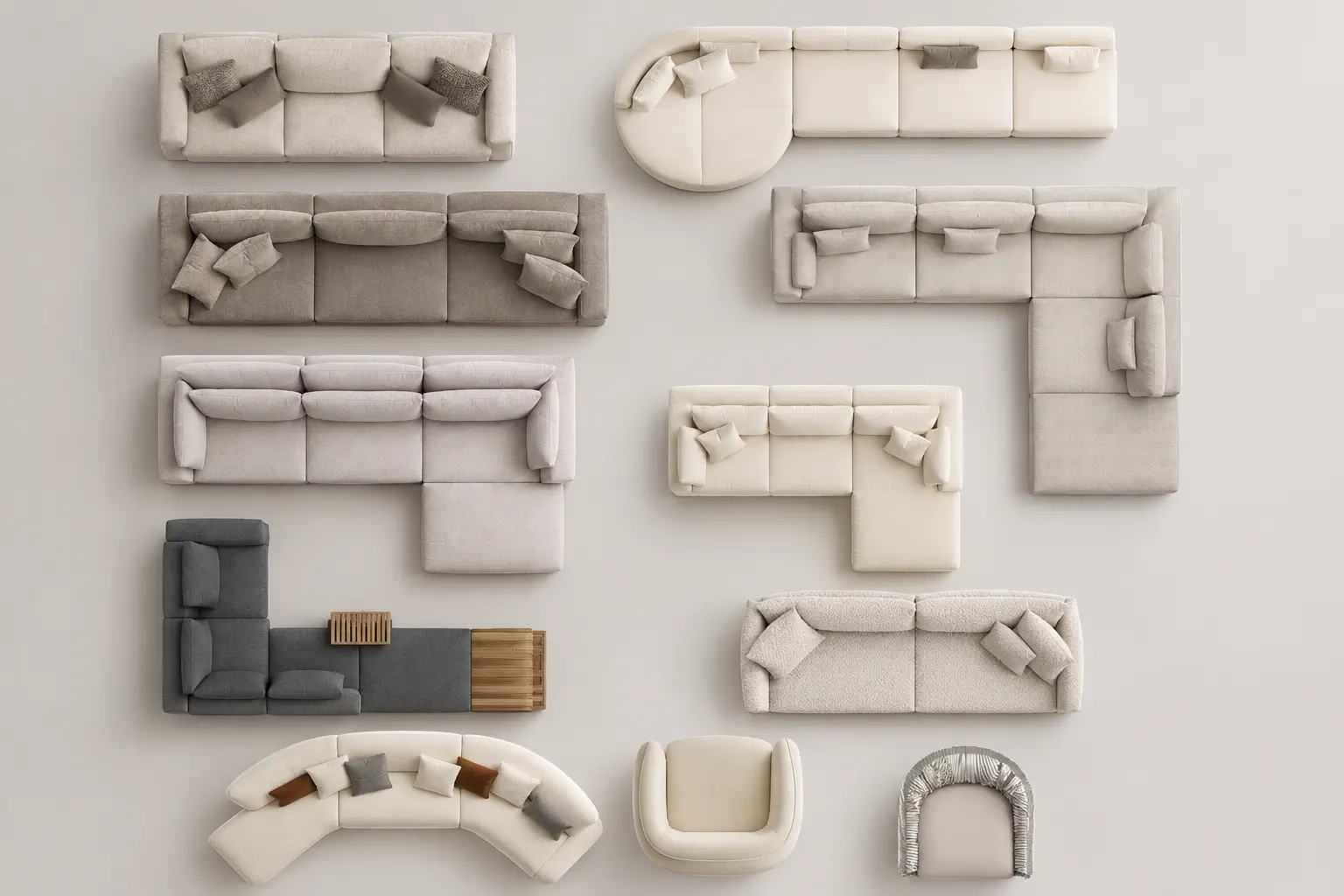
How to use the questionnaire in your process
Slot the questionnaire into a simple, repeatable onboarding flow:
- Send it the moment an enquiry looks real — before the consultation, with a short, warm note
explaining it helps you make the most of their time.
- Read it before you meet. Note contradictions (champagne taste, lemonade budget) and prepare to
discuss them gently.
- Use the meeting to interpret, not interrogate. You already have the facts; now add expertise.
- Convert answers into a proposal. The scope,
budget and style answers map almost directly onto a proposal's scope and concept sections.
- Lock it in with a contract or
letter of agreement. The questionnaire defines scope; the
contract protects it.
From first contact to signed project
The questionnaire is the first document in a tight client-onboarding system: questionnaire → proposal
→ agreement. Used together, they make you look organised and trustworthy at exactly the moment a
client is deciding whether to hire you. And once a project is complete, the best of that work belongs
in your interior design portfolio — the tool that brings the next
enquiry through the door. Download the questionnaire below and make it the first step in every new
project.