Turn enquiries into signed projects. This free interior design proposal template gives you a
polished, persuasive structure to present your understanding of the brief, your concept direction,
the scope of work and your pricing — the document that turns "we're getting quotes" into "where do we
sign". A proposal is not an invoice with a logo on it; it is a sales document, and the way you frame
scope, value and the next step often matters more than the number itself.
This template is built around how clients actually decide. Below is what it includes, why a strong
proposal wins more work, and how to present pricing in a way that reassures rather than scares. It
pairs naturally with the client questionnaire that scopes
the project and the contract that locks it in.
What's inside the proposal template
The template walks you through a complete, professional proposal in the order a client reads it:
- Cover — your branding, the client's name and the project, so it feels bespoke from page one.
- Understanding of the brief — a short restatement of their goals that proves you listened.
- Scope of work — the phases and deliverables, clearly bounded.
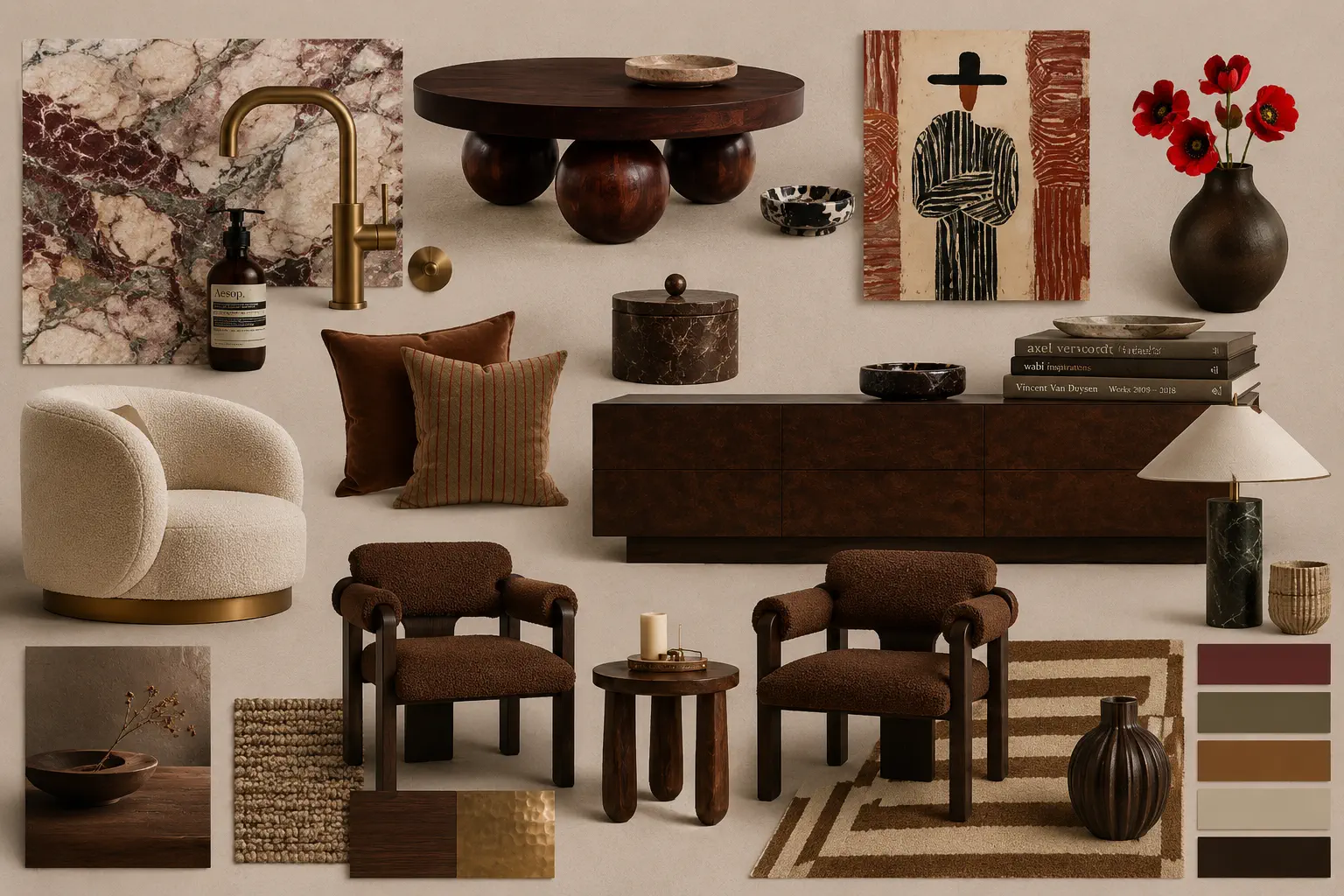
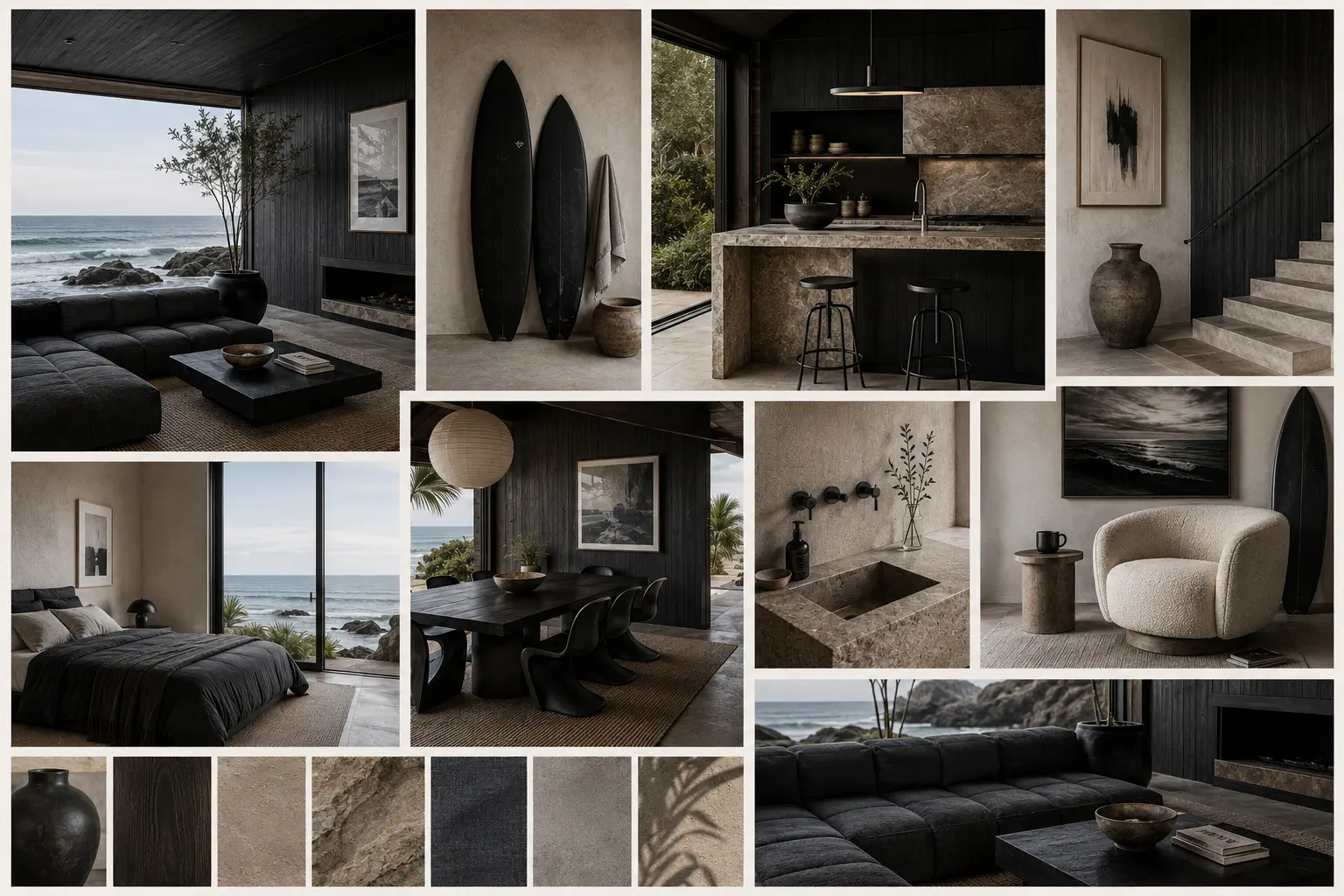
- Concept direction — the design idea, mood and intent, with optional reference imagery.
- Investment — your pricing, framed as value and presented in tiers or phases where useful.
- Timeline — indicative phases and milestones.
- Terms and next step — what happens when they say yes, and a single, obvious call to action.
Why a strong proposal wins projects
Most designers lose projects not because their work is weaker, but because their proposal is vaguer.
A proposal that opens with the price invites comparison shopping. A proposal that opens by
demonstrating understanding — restating the client's goals, frustrations and dreams in their own
language — reframes the conversation around fit and value. By the time the client reaches the price,
they already feel understood, which makes the investment feel justified.
A great proposal also reduces perceived risk. Clear scope, a defined timeline and a confident
concept tell the client that the project will be managed, not improvised. That confidence is often the
deciding factor between two designers of similar talent.
What to include in an interior design proposal
Lead with understanding, not price
Open with a concise summary of the client's brief and goals. This is the single highest-leverage page
in the proposal. It signals that the design will be made for them, not pulled off a shelf. Draw these
points directly from their questionnaire answers.
Scope and concept
Define the phases and deliverables so the client can see exactly what they are buying, then give them a
taste of the creative direction — a mood, a palette, a guiding idea. You are selling both the process
and the vision.
Investment — framed as value
Present pricing as an investment tied to outcomes, not a bare number. Where it fits, offer two or three
options (for example, design-only versus full-service) so the decision becomes "which package",
not "yes or no". To make sure your numbers are sustainable, check them against the free
rate calculator.
How to present pricing without scaring clients
Three techniques make pricing land softly. Anchor with value first — let the understanding and
concept sections do their work before the number appears. Offer tiers so the client compares your
own options rather than your competitors. And be specific about what's included, because an unclear
price feels riskier than a high one. A confident, well-structured price reads as professional; an
apologetic or vague one invites negotiation.
From proposal to signed project
The proposal is the middle document in a simple, powerful sequence: a
questionnaire scopes the project, the proposal sells it,
and a contract or
letter of agreement formalises it. Used together, they make you look
organised and trustworthy at the exact moment a client is choosing who to hire — and the finished work
becomes the next entry in your interior design portfolio. Download the
proposal template below and start converting more enquiries.