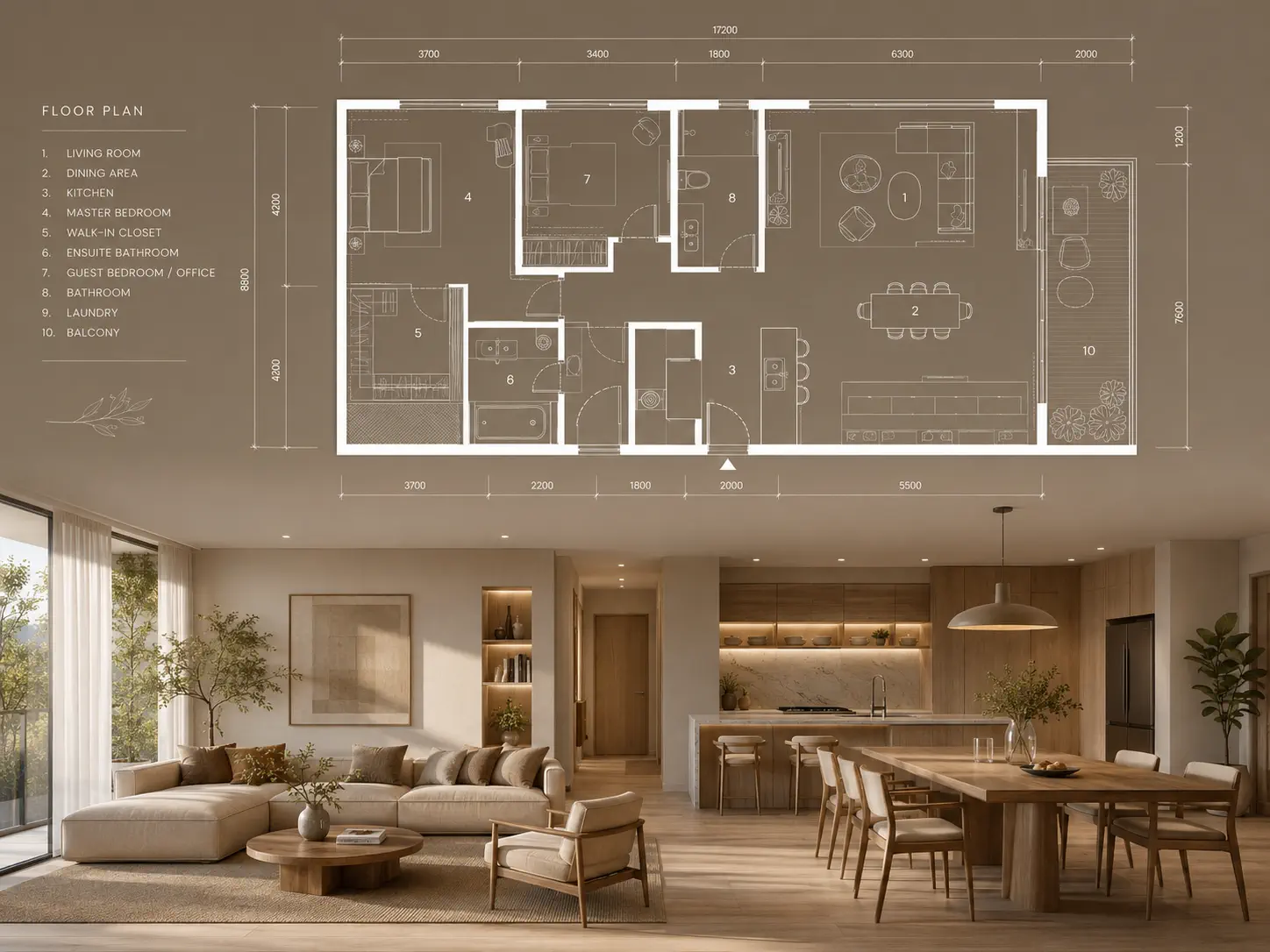
You have built your portfolio — but is it actually client-ready? This free interior design portfolio
checklist walks through every section, page and detail a winning portfolio needs, so you can publish
with confidence instead of a nagging feeling that something is missing. It is the final review that
catches the small omissions — a missing call-to-action, an unlabelled project, a slow-loading image —
that quietly cost designers enquiries.
Use it as a pre-publish proof and as a periodic audit of a live portfolio. Below is what the checklist
covers, section by section, plus how to use it and what to do once everything is ticked. For the
strategy behind each section, see our pillar on the
interior design portfolio.
What's inside the checklist
The checklist is organised by portfolio section so you can work top to bottom:
- Cover and first impression — does the homepage instantly communicate who you are and your best work?
- About page — story, philosophy, credentials and a photo that builds trust.
- Projects — the right number, curated and ordered for impact.
- Project storytelling — a brief → challenge → approach → result narrative for each.
- Photography — quality, consistency and the right mix of wide and detail shots.
- Process and proof — process glimpses, testimonials and credibility markers.
- Contact and call-to-action — an obvious, frictionless next step on every page.
- Technical and findability — speed, mobile, and basic on-page SEO.
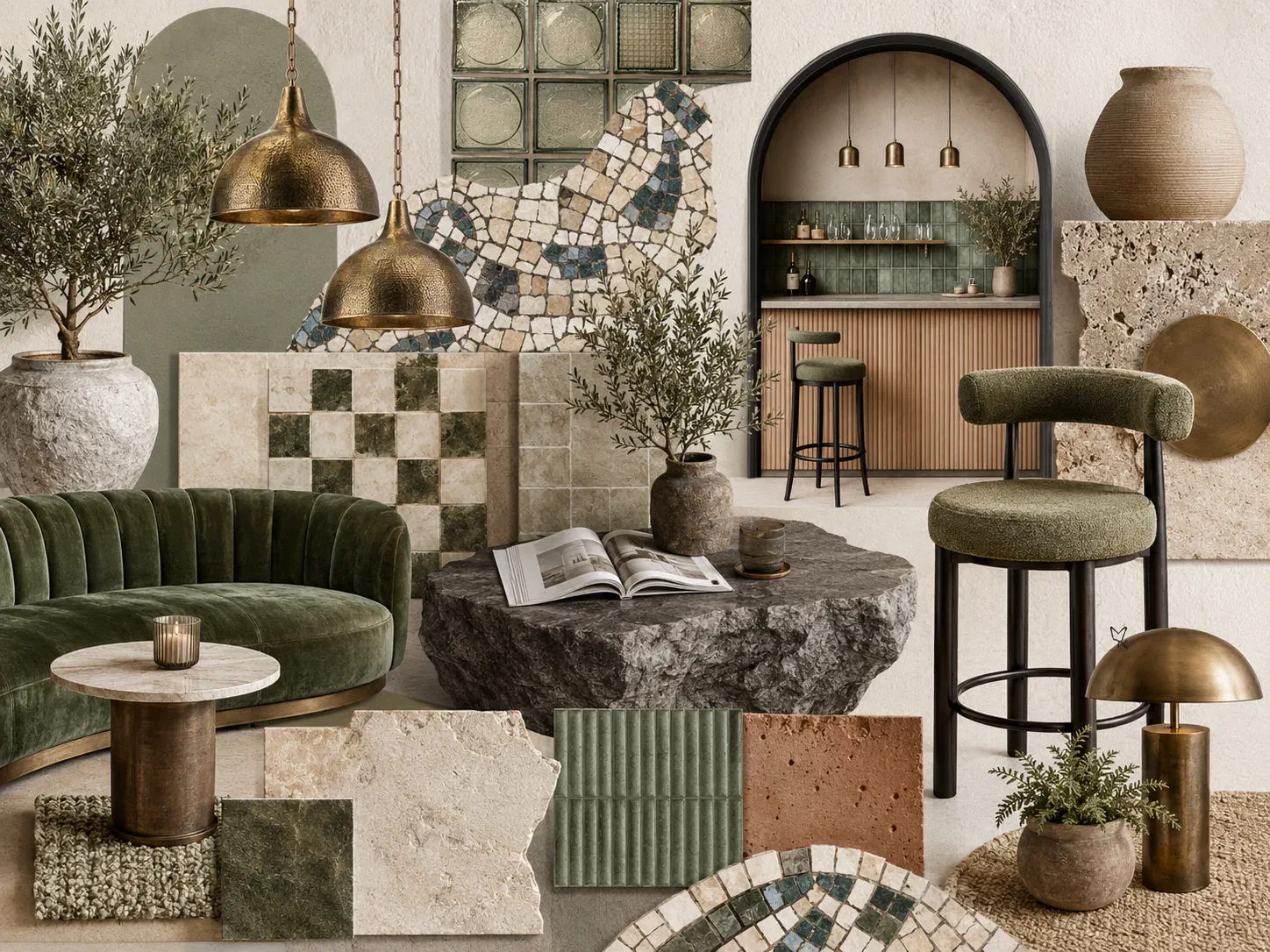
The portfolio checklist, section by section
Cover and first impression
A visitor decides in seconds whether to keep scrolling. Lead with your single strongest project and a
clear one-line descriptor of what you do and who you serve. Avoid clutter, sliders and anything that
delays the work.
About page
Confirm your About page has a professional photo, a short design philosophy, your credentials or
experience, and the type of client you love working with. People hire people — this page does the
trust-building.
Projects and storytelling
Curate to 8–12 strong projects, not everything you have ever done. Lead with your best, close with
something technically impressive, and give each project a short narrative: the brief, the challenge,
your approach and the result. A folder of unlabelled images is not a portfolio. If you are still
building this, the free portfolio template gives you a
repeatable project structure.
Photography
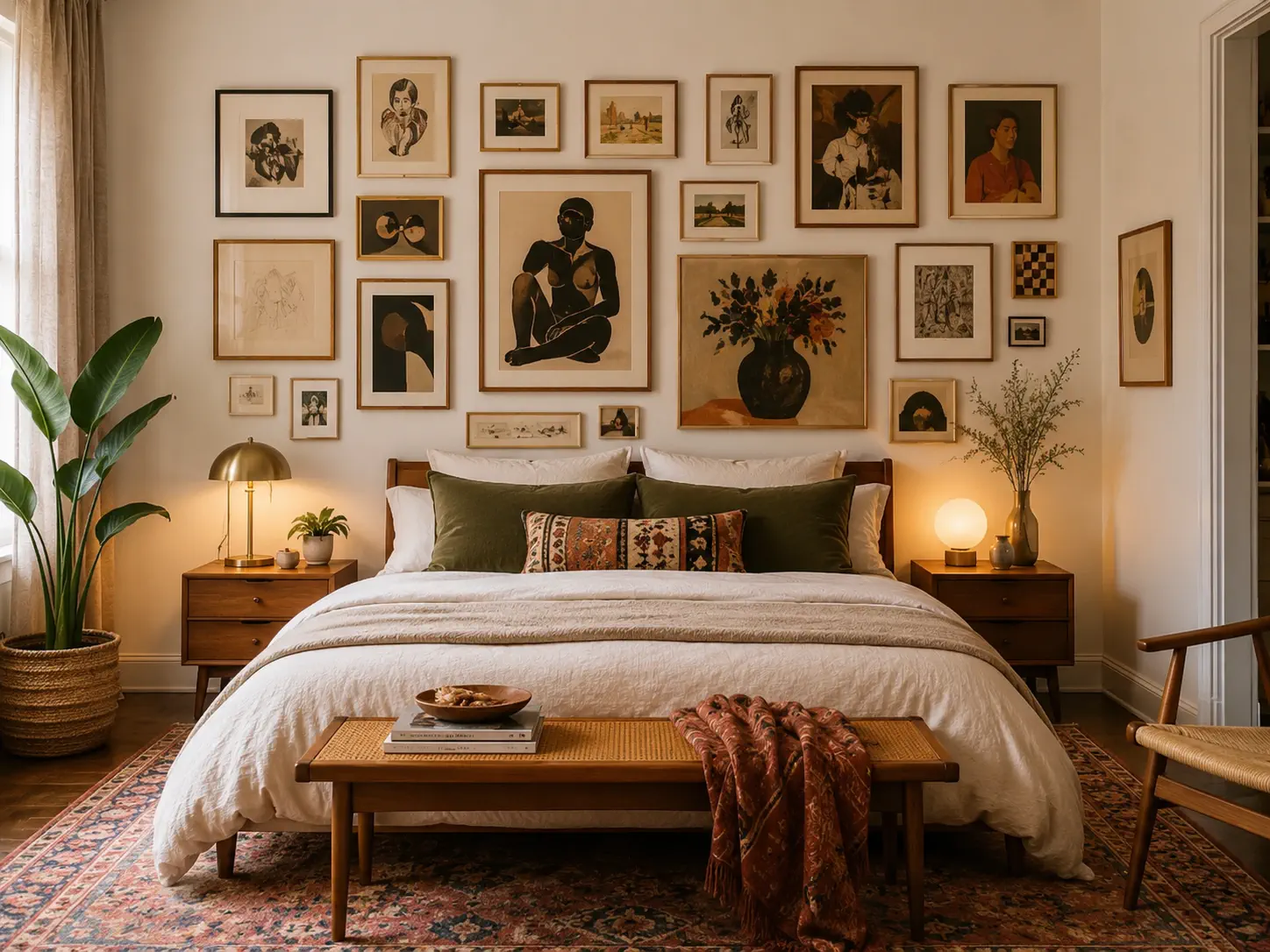
Photography is the medium of interior design — it has to be excellent. Check for high resolution, a
consistent style and white balance, a mix of wide establishing shots and detail shots, and
before-and-afters wherever you have them. Compress images so pages stay fast without looking soft.
Contact and call-to-action
This is the step most portfolios fumble. Every page should make the next move obvious — a contact form,
an email, or a "book a consultation" button. If a visitor has to hunt for how to reach you, the enquiry
is lost.
Technical and findability
Confirm the portfolio loads fast, works on mobile, and has basic on-page SEO (clear page titles,
descriptions and image alt text) so clients can actually find it. A beautiful portfolio nobody can find
does not win work. The interior design website builder handles most
of this automatically.
How to use the checklist
Work through it once before you publish, fixing anything that fails. Then revisit it every few months
as a live audit — portfolios drift as you add projects and let old ones linger. Be honest on the
curation points especially; cutting a weak project almost always strengthens the whole.
Once everything is ticked
A complete, client-ready portfolio is only useful if it is live and discoverable. If yours is still a
PDF or a folder of images, the interior design website builder
turns it into a published, professional site in under an hour. Plan your structure with the free
portfolio template, and for the full method see
how to make an interior design portfolio. Download the
checklist below and give your portfolio its final review.